


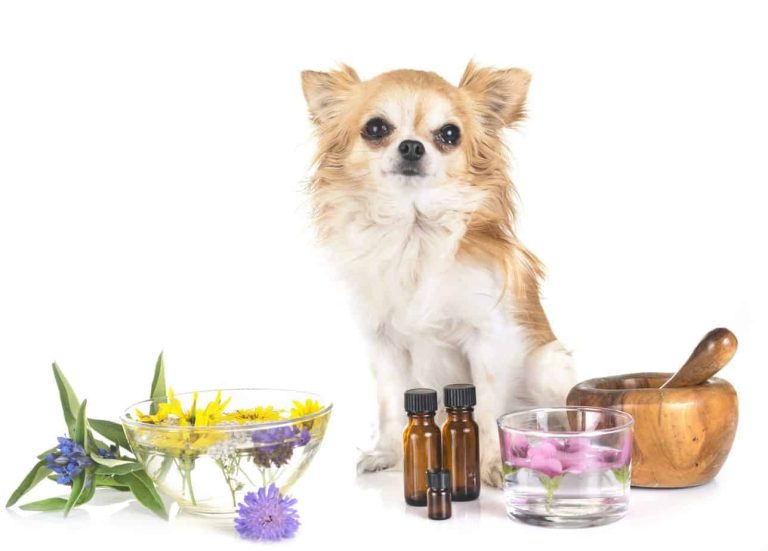
We’ve been alarmed by some of the essential oil recommendations for pets online recently. Sometimes it’s for commercial gain in the lucrative natural pet remedy sector, such as using toxic Pennyroyal in flea treatments. Self-appointed experts often recommend essential oils based on the fact that they are beneficial to humans, or tolerated by one animal species. Acting on that assumption can be fatal. This article is intended to provide a summary of the more deadly essential oils that are sometimes recommended for pets.
While we don’t give much thought to it when using essential oil products for humans, the higher sensitivity and smaller size of animals makes it absolutely crucial that we be aware of potential danger. Treatments can impact animals differently than they do humans, and there are variable tolerance levels among species as well. When using essential oils, we must research the possible safety issues through reliable sources of information. Misused oils can be toxic and should always be administered with the guidance of a professional.
Phenols (a chemical group in oils such as those derived from Thyme & Oregano), Monoterpene Hydrocarbons (such as Pine), Phenylpropanes (such as Basil & Cinnamon), and many essential oils in the Ketone group (such as Pennyroyal and Wormwood), should be avoided all together when treating animals. We must also consider age, illness (such as epilepsy) and pregnancy when administering essential oils.
30 Essential Oils that may not be Safe for Pets
- Anise (Pimpinella anisum)
- Birch (Betula)
- Bitter Almond (Prunus dulcis)
- Boldo (Peumus boldus)
- Calamus (Acorus calamus)
- Camphor (Cinnamomum camphora)
- Cassia (Cassia fistula)
- Chenopodium (Chenopodium album)
- Cloves (Syzygium aromaticum)
- Garlic (Allium sativum)
- Goosefoot (Chenopodium murale)
- Horseradish (Armoracia rusticana)
- Hyssop (Hyssopus sp. with the exception of Decumbens)
- Juniper (Juniperus sp. with the exception of Juniper Berry)
- Mugwort (Artemisia vulgaris)
- Mustard (Brassica juncea)
- Oregano (Origanum vulgare)
- Pennyroyal (Mentha pulegium)
- Red or White Thyme
- Rue (Ruta graveolens)
- Santolina (Santolina chamaecyparissus)
- Sassafras (Sassafras albidum)
- Savory (Satureja)
- Tansy (Tanacetum vulgare)
- Tea Tree Oil (Melaleuca alternifolia)
- Terebinth (Pistacia palaestina)
- Thuja (Thuja occidentalis)
- Wintergreen (Gaultheria procumbens)
- Wormwood (Artemisia absinthium)
- Yarrow (Achillea millefolium)
Note that these are only the essential oils that have been tested on one or multiple species. Therefore, this is not a comprehensive list.
It is important to keep in mind that many oils that are fine for dogs and horses, are not good for cats (such as Citrus and Pine), rabbits or birds. Based on the expert information I’ve read, I don’t recommend the amateur use of most essential oils for cats, rabbits or birds. There are high quality hydrosols for pets that are safer for non-professionals to use on cats and very small mammals.
Extreme caution should also be used when infusing the air using oil based aromatherapy diffusers, candles, etc. Closely observe these sensitive pets for signs of a negative reaction, use minuscule doses, and use only for a few minutes at a time. For more information, read Common Diffuser Essential Oils that may be Toxic to Dogs, Cats, Birds, Etc. Never use essential oils at full strength on any animal.
Additionally, you may see an essential oil recommended for a specific use, while it isn’t safe for a different application. Many essential oils can be used topically but not internally. Conversely, some essential oils may be used internally but will irritate the skin. Also, the extreme concentration of essential oils may make a type dangerous for pets, whereas using the plant or herb itself is not an issue.
The quality of your essential oils is another concern. For safety and effectiveness, therapeutic-grade essential oils must be obtained from a reliable store that is committed to using only premium suppliers. We dismissed several of our personal suppliers before finding Starwest Botanicals, and now rely on them almost exclusively for our essential oils. As a general rule, if you find an essential oil at a price that is considerably lower than other suppliers, it’s probably a lower grade or at least diluted.
Kristen Leigh Bell, an expert in essential oils for pets, writes, “Essential oils produced for holistic and medical aromatherapy uses are carefully monitored through all aspects of the process – from the growth of the plants to the distillation process itself. Distillation is treated scientifically, with the utmost care being given to the temperature and timing of the procedure to ensure a complete oil is extracted from the plant material, which in turn yields the greatest therapeutic value.”
Natural medicine is subject to the same precautions as synthetic substances because they can be every bit as powerful. We suggest you use extreme caution when acting on the advice you read online.
Read More About Essential Oils for Pets
If you’d like to learn more about essential oils for pets, I’ve read all of the following books and can recommend them with confidence:
- Holistic Aromatherapy for Animals: A Comprehensive Guide to the Use of Essential Oils & Hydrosols with Animals by Kristen Leigh Bell
- Hydrosols: The Next Aromatherapy by Suzanne Catty
- A Healthy Horse the Natural Way: A Horse Owner’s Guide to Using Herbs, Massage, Homeopathy, and Other Natural Therapies by Catherine Bird
??? Have you seen any toxic essential oils in pet products? Please tell us about it in the comments below.
Source:
Bell, Kristen Leigh. Holistic Aromatherapy for Animals: A Comprehensive Guide to the Use of Essential Oils & Hydrosols with Animals. 2002.